


As adults, we know that it’s important to brush our teeth. We’ve done it for many years. We’ve made it a daily habit and we see the benefits in our smiles. This didn’t happen overnight, and it certainly didn’t happen without our parents guiding us through the process. Some kids pick up toothbrushing quite quickly, others have a tough time for any number of reasons. Today, we’re sharing a few helpful toothbrushing tips for children with sensory sensitivities so parents can help their kids approach this new skill with empathy, care, and understanding – backed by advice from real dentists.

What does childhood toothbrushing sensory sensitivity look like?
If your child has sensitivities to toothbrushing, you are not alone. We need to remember that kids are new to the world. They’re figuring out what they like and what they don’t like for the first time. Each new skill is a completely new experience. There are going to be certain things that are difficult or uncomfortable for them.
We’ve noticed a few factors are most common in toothbrushing sensitivities:
- The feeling of toothbrush bristles on gums.
- The taste or texture of toothpaste.
- The way toothpaste foams.
- Pain or discomfort while brushing with braces or retainers.
While these are common causes of sensitivities, every child is different and something else might be bothering your child.
How to approach toothbrushing for children with sensory sensitivites
If you notice that your child seems hesitant or is flat out refusing to brush their teeth, here are a few ways parents can approach the situation.
1. Determine what the sensitivity is
Sometimes, it can be difficult to know what’s bothering a child, especially if they are yet to start forming sentences. For kids not yet speaking, try a few different scenarios and take note of their reactions. Try a different toothpaste – it may be that they don’t like the taste. Try a different toothbrush – they may not like the colour. For kids who can verbally communicate or sign, simply ask them in a clear and kind way what the issue is, offering them empathy and comfort.
2. Don’t be afraid to make change
Once you figure out what is causing the sensitivity, be flexible and change things up to suit your child’s preference – it’s their mouth, after all. Allow them to choose their next toothbrush. Discuss what flavour they might like to use before buying their toothpaste. Suggest a toothbrush with soft bristles if pain is an issue.
3. Consult your dentist
If you’re unable to work out what the problem is, or cannot find a solution to your child’s toothbrushing sensory sensitivity at home, book a dentist appointment for both you and your child to attend. Your dentist should be able to help identify where the sensitivity is arising from and offer a few different options for working together to overcome it.
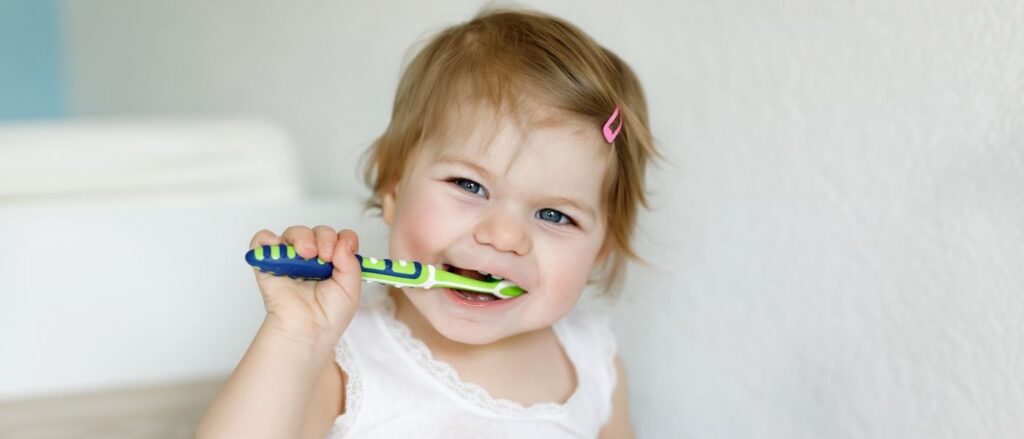
Basic toothbrushing tips for kids with and without sensory sensitivities
Here are the basics of what you need to know about toothbrushing as a parent, especially if your child appears to be developing as sensory sensitivity.
- Toothbrushing should start just as the first tooth appears.
- It is okay for kids to start brushing without toothpaste and introduce it in very small amounts as they go.
- Kids don’t need to use much toothpaste (a grain of rice sized smear for 0-3yo kids, a pea sized amount for 4-6yo kids once spitting is reliable).
- Consistency is more important than technique while they are starting to learn.
- Twice daily is great, but once daily (at night) is okay if difficulties arise.
- Allowing your child to control the toothbrush from the start (even if they don’t brush perfectly) can help them gain confidence and feel more in control, leading to less push-back.
- Fluoride toothpaste is important as it helps strengthen enamel (1000ppm for kids under 7, 1450ppm for kids 7+).
- Try not to berate or blame your child if they have difficulty brushing their teeth as this only furthers to make it an uncomfortable experience for all involved. Sensory sensitivity is real and should be approach with cempathy, understanding, and kindness.
- If it comes to a point where you feel you are forcing your child to brush their teeth, make an appointment with your dentist for help rather than continue to push them.
A gentle approach makes a huge difference
If your child has sensory sensitivities, choosing the right dentist can help make dental visits more positive. A calm, patient approach and experience with sensory-sensitive children supports trust and confidence over time.
Dr Josie has a gentle, understanding manner and regularly cares for children with sensory sensitivities. She takes the time to move at your child’s pace and works with families to make visits as comfortable as possible.
If you would like support for your child’s dental care, you are welcome to book an appointment with Dr Josie to discuss your child’s needs and develop a plan that feels right for them.